

.png)
.png)


Low Testosterone Quiz: Do I Have Low T? (Free 2-Minute Test)
Read post

You're researching sermorelin therapy and the benefits sound compelling. Better sleep, faster recovery, improved body composition. Then you see the word "injectable" and your brain hits pause.
Can I actually do this? Where do you inject sermorelin? Is it going to hurt? Where exactly does the needle go? What if I mess it up?
These questions stop a lot of people before they even start fully considering treatment. The idea of self-injecting feels medical and intimidating, especially if you've never done it before. But truthfully, subcutaneous sermorelin injections are far less scary than most people imagine. The needles are tiny. The process takes about two minutes once you know what you're doing and thousands of people inject at home daily without issue.
This guide walks through where to inject sermorelin, how to do it properly, what to expect, and when non-injectable alternatives might be for you. By the end, you'll know whether self-injection is something you can handle or if you'd rather explore other routes.
Sermorelin gets injected subcutaneously, which means just under the skin, into the fatty tissue. Not into muscle or into a vein. Just the fatty layer between your skin and muscle.
Finding a good “cushiony” spot matters because more cushion means easier injections. You want areas where you can pinch at least an inch of skin without hitting muscle.
Rotation matters too since using the same spot repeatedly can cause irritation.
Where to inject sermorelin? Three main zones work well for subcutaneous sermorelin injections. Each has advantages depending on your body composition and what feels comfortable.
Your stomach is the most popular injection site, and for good reason. There's usually plenty of subcutaneous fat here, even on lean individuals. The absorption rate is consistent, and it's easy to reach.
Target the area about two inches away from your belly button in any direction. Avoid the belly button itself and the area directly below it. You've got a lot of real estate to work with, which makes rotation simple.
Some people worry about injecting near their stomach. Relax. You're not going anywhere near your organs. You're barely breaking the skin's surface. The needle only goes about a quarter inch deep.
The outer thigh works beautifully, especially if you're sitting down. Aim for the upper outer portion of your thigh, roughly mid-thigh to about three-quarters up toward your hip.
This spot gives you good access and plenty of subcutaneous tissue. It's also helpful if you've got stomach sensitivities or scar tissue from previous abdominal injections.
Avoid the inner thigh (more nerves and blood vessels) and the top of your thigh where it meets your hip (often less fatty tissue, can be uncomfortable).
The back of your upper arm is another solid option, though it's trickier to reach on your own. You'll need decent flexibility or a partner willing to help.
The target zone is the fatty area on the back of your upper arm, roughly halfway between your shoulder and elbow. This site tends to have less subcutaneous fat than the abdomen or thigh, so it may not work for everyone.
If you can comfortably pinch an inch of skin here, you're good to go. If not, stick with the abdomen or thigh.
Preparation takes two minutes. Never skip it.
First wash your hands thoroughly with soap and warm water. This isn't optional. Your hands carry bacteria that can cause infections, even from the tiniest needle stick.
Clean your chosen injection site with an alcohol wipe. Let it air dry completely. Don't blow on it or fan it.
Make sure your sermorelin vial is also wiped down with alcohol before you draw your dose.
Think of your injection sites like a map with designated zones. If you inject daily, you'll want at least 5-10 different spots in rotation. This keeps things comfortable.
A simple rotation pattern: Monday left abdomen, Tuesday right abdomen, Wednesday left thigh, Thursday right thigh, and so on. Some people mark injection sites on a calendar or use a simple notes app.
The goal is to avoid using the same exact spot for at least a week. Your body needs time to heal between injections, even though the needle is small.
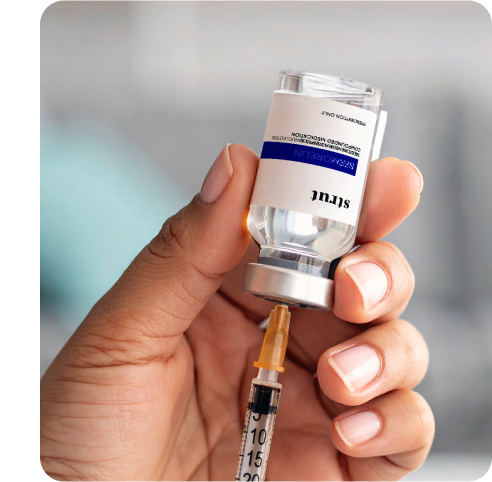
Now that we know where to inject sermorelin, let's talk about how to do it.
You'll need:
Clean your injection site with alcohol and let it dry. Don’t touch the cleaned injection site again while you prepare your syringe.
Draw your prescribed dose into the syringe by inserting the needle into the rubber stopper of your vial, then flip the vial upside down and draw down slowly to your dose line. Keep the needle tip fully submerged in the liquid (this prevents drawing air into the syringe). Remove the filled syringe and needle carefully from the vial, and don’t let the uncapped needle touch anything before you inject.
Pinch a fold of skin between your thumb and forefinger of your non-dominant hand. You want about an inch of skin lifted away from the muscle beneath.
Hold the syringe at a 45 to 90-degree angle. Quick insertion feels better than slow. Insert the needle fully, then release the pinched skin.
Inject the sermorelin slowly and steadily. There's no rush, fast injections can cause stinging.
Pull the needle straight out at the same angle you inserted it. Be careful if you recap the needle (use the “scooping” it off the table technique), or you can drop it directly into your sharps container without the cap.
Apply gentle pressure with a clean cotton ball or gauze if there's any bleeding. A tiny drop of blood is normal. So is a small bump that disappears within minutes.
Don't massage the area. Some people have heard that massaging helps absorption, but with subcutaneous injections, it's unnecessary and can actually cause irritation.
Dispose of your syringe properly! Never throw needles in the regular trash.
Even experienced injectors occasionally slip up. Here's what to watch for.
Injecting into muscle instead of fat. This happens when you don't pinch enough skin or when you're very lean in certain areas. Intramuscular injection isn't dangerous with sermorelin, but it can hurt more and for at-home injections, subQ is the goal.
Reusing needles. Don't. Needles dull after one use, making subsequent injections more painful. They can also harbor bacteria even if you're injecting yourself. Some practitioners even go so far as to change the needle after puncturing the vial, so when you inject, it’s with a fresh sharp needle.
Injecting too close to previous sites. Give each spot a week to recover. Moving over just an inch is perfect. Impatience here leads to unnecessary soreness. Rotate your injection sites.
Skipping the alcohol wipe. Your skin has bacteria on it, even if you’re showered and clean. Always clean your hands, injection site and the vial top.
Dispensing too fast. The insertion can be quick, but the actual injection of liquid should be slow and controlled.
Your body needs a minute to adjust to this new routine.
Mild redness, slight swelling, or a small bump at the injection site is common in the first few days. This usually fades as your body gets used to the process.
Some people notice itching at the injection site. As long as there's no spreading redness, warmth, or oozing, this is a normal histamine response.
Occasional bruising happens, especially if you nick a tiny blood vessel. It looks worse than it is and fades within a week.
Most injection site reactions are minor and temporary. But a few signs warrant a call to your healthcare provider:
Infections from properly administered subcutaneous injections are rare, but catching them early matters.
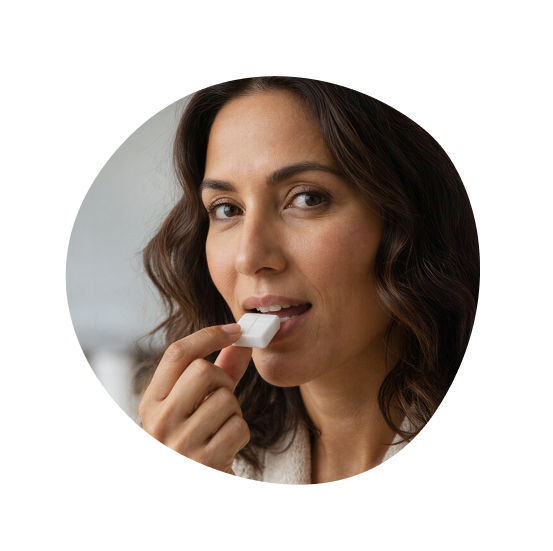
Not everyone wants to inject, some people hate needles and others travel frequently and find daily injections inconvenient. Some just prefer a simpler routine.
Oral sermorelin formulations are great as an alternative. They're designed for sublingual absorption, which means the peptide gets absorbed through the tissues under your tongue rather than through your digestive system.
The trade-off? Injections generally offer more predictable absorption and superior bioavailability. Oral forms are more convenient but may require different dosing to achieve similar effects.
Neither option is inherently better. It depends on what matters more to you: maximum efficiency or ease of use. Some people start with injections to dial in their response, then switch to oral for long-term maintenance.
Hopefully this guide has soothed some injection anxiety but if the injection aspect is holding you back from trying sermorelin therapy, know that you have options. The goal is consistent use, and that only happens when the method fits your life.
Learning where to inject sermorelin is straightforward once you've done it a few times. The abdomen, outer thigh, and upper arm all work well for subcutaneous injections. Rotate your sites, keep things clean, and go slow with the actual injection.
Most people find that injection anxiety peaks before the first stick and drops dramatically once you do the first one. Your body adapts and you get used to the process.
If you're considering compounded sermorelin therapy and want to explore both injectable and oral options, Strut Health offers both with online consultations to help you figure out what makes sense for your goals and lifestyle. Whether you're chasing better sleep, faster recovery, or metabolic support, the delivery method should work with your life, not against it. The best treatment is the one you'll actually stick with.


.png)