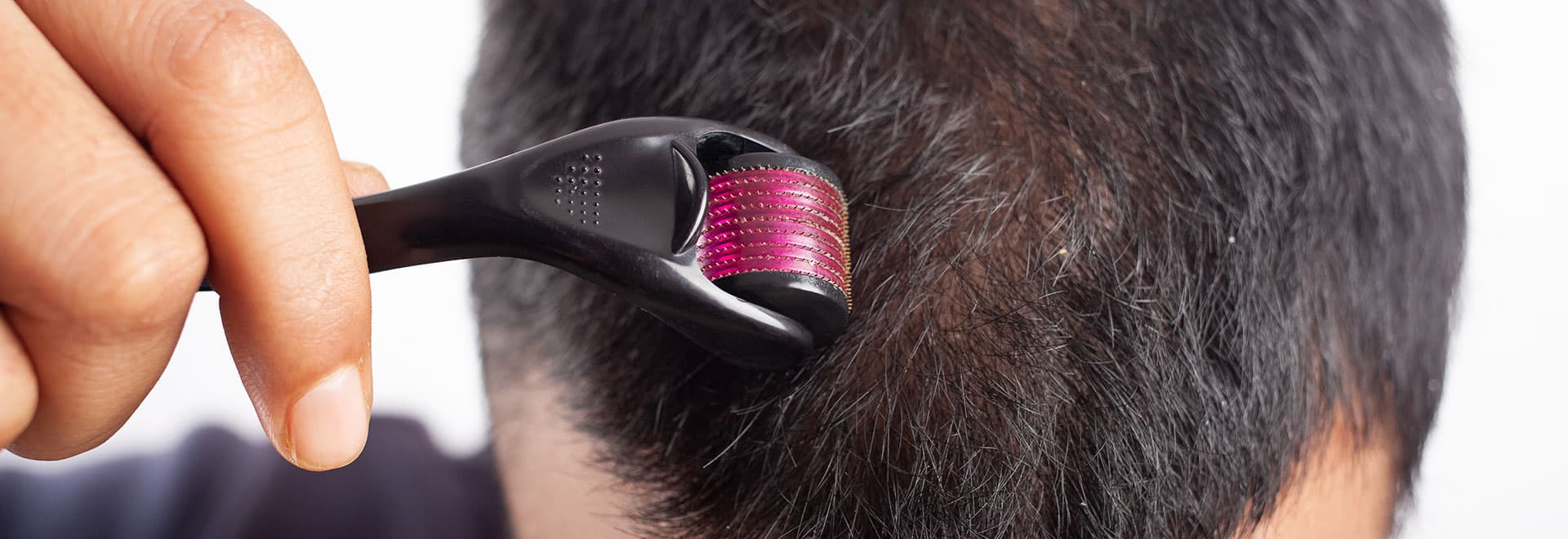
5 Hair Conditions That Are More Common in Women Than Men
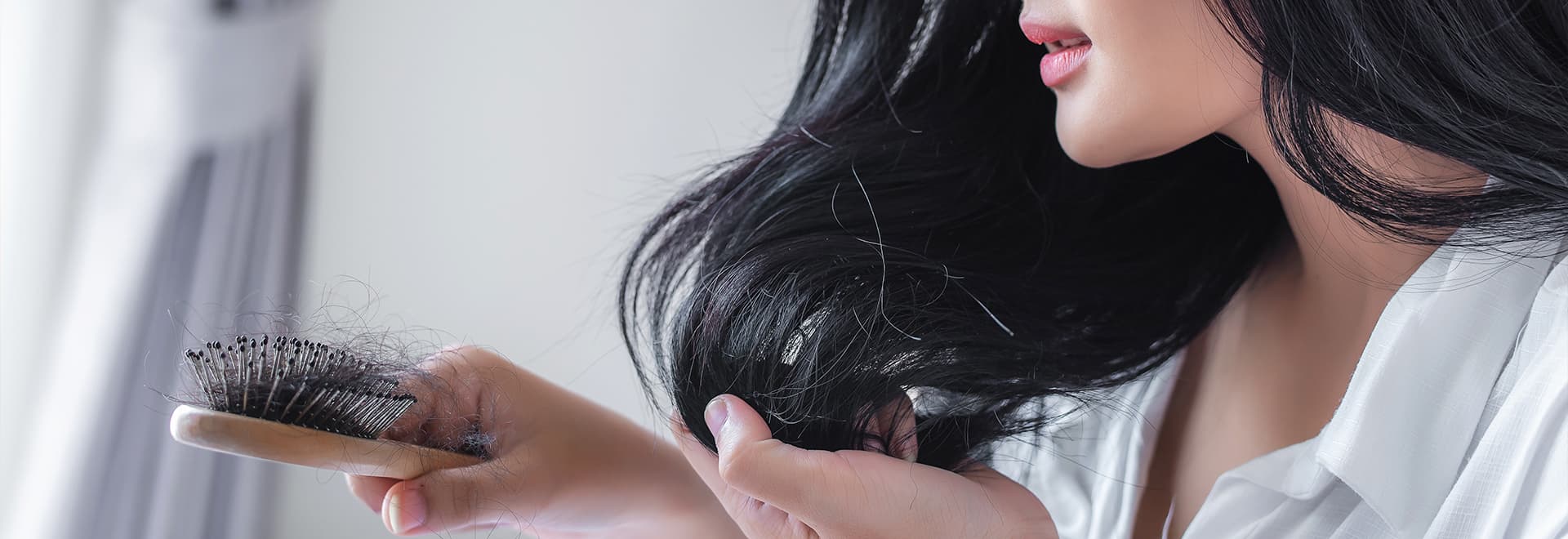
The most common form of hair loss in both genders is androgenic alopecia. Androgenetic alopecia is the technical term for male pattern hair loss or female pattern hair loss, which is genetically determined.
On this page
However, aside from androgenetic alopecia, there are a few other reasons why women may experience hair loss. And, many of these kinds of hair loss in women are more commonly seen in females vs males.
Below, we will cover 5 of these hair loss causes that are more common in women than men.
1. Alopecia Areata
Alopecia Areata is an autoimmune type of hair loss in which hair can fall out in round patches due to the immune system attacking the hair follicles.
This type of hair loss is seen more commonly in females, and the women that do experience alopecia areata are more likely to also experience nail involvement, have other autoimmune diseases, and be diagnosed in adolescence.
2. Traction Alopecia
Traction alopecia is a type of hair loss that can occur from overly tight hairstyles. This may be in the form of tight braids, high ponytails, or dreadlocks that put a lot of tension on the hairs along the hairline. This tension can lead to pulled-out or broken hair along the hair line, and irritated skin.
Since it is more common for women to have longer hair styled in braids, ponytails, and up-dos than men, traction alopecia is seen more commonly in women.
Luckily, most people dealing with traction alopecia will see their hair loss improve and grow back once the tight hairstyles are stopped.
3. Telogen Effluvium
Telogen effluvium is another form of hair loss that tends to occur more commonly in women as well.
This type of hair loss is stress related, whether that be a strong mental or physical stressor. Some of the triggers may be giving birth, hormone fluctuations, serious illnesses, surgeries, or prolonged emotional stress.
Since women give birth and also have phases of hormone fluctuations due to pregnancy or menopause, this may be part of the reason behind why this hair loss condition is more prevalent in women.
4. Lupus-related hair loss
Lupus is a systemic autoimmune disease that is more commonly seen in females as compared to males. The common symptoms of lupus may include joint issues, fever, fatigue, skin lesions, shortness of breath, chest pain, dry eyes, headaches, cognitive issues, and a butterfly-shaped red rash across the face.
One of the potential symptoms of lupus is also hair loss, whether in the form of gradual thinning, losing clumps of hair, or losing your eyelash, eyebrow, and body hair.
5. Thyroid-related hair loss
Thyroid disorders, whether hypothyroidism or hyperthyroidism, can commonly cause hair loss and thinning.
Thyroid disorders also are more commonly diagnosed in women than in men.
If you are experiencing hair loss that may be related to your thyroid disorder, correcting the underlying disorder by using your treatments and medications as prescribed may lead to hair improvements over time.
Strut Health prescription women’s hair loss formulas online
Here at Strut, we make compounded hair loss formulations specifically designed for women. We utilize multiple active ingredients and customize the formula based on your personal symptoms, needs, and preferences.*
If you are interested in seeing if a prescription hair loss medication is a good fit for your hair loss concerns, simply complete a free online questionnaire and image-based hair loss consultation in under 15 minutes. Our U.S. providers will review your information and craft a treatment plan for you, if appropriate. Then, a U.S. compounding pharmacy will put your order together and ship it to your front door with our free shipping.
*Compounded drug products are not approved or evaluated for safety, effectiveness, or quality by the FDA. Rx required.
Strut Women's Hair Growth FormulaCompounded
Customized by healthcare provider for women's hair loss
This article is for informational purposes only and does not constitute medical advice. The information contained in this article is not a substitute for and should never be relied upon for professional medical advice. Always talk to your provider about the risks and benefits of any treatment.
All Categories
Recent posts
- Dr. Alan Bauman: Top Tips for the Best Success on Your Hair Growth Regimen (Video)
- What Are the Big 3 for Hair Loss?: The 3 Treatment Combo Explained
- What Is the Minoxidil Mechanism of Action for Hair Growth?
- Minoxidil Shedding: What To Expect | Hair Loss Treatment
- Is Minoxidil a DHT Blocker? How Minoxidil Increases Hair Growth
- U.S. Licensed Providers
- U.S. Pharmacy & Medicines
- Discreet & Free Shipping
- LegitScript Certified
Related posts

Dr. Alan Bauman: Top Tips for the Best Success on Your Hair Growth Regimen (Video)
Read post
What Are the Big 3 for Hair Loss?: The 3 Treatment Combo Explained
Read post
What Is the Minoxidil Mechanism of Action for Hair Growth?
Read post
Minoxidil Shedding: What To Expect | Hair Loss Treatment
Read post
Is Minoxidil a DHT Blocker? How Minoxidil Increases Hair Growth
Read post