
Topical Ivermectin: Uses, Mechanism, Side Effects, and How To Apply
On this page
What can topical Ivermectin be used for?
Retail topical Ivermectin products are FDA-approved for 2 uses in humans: head lice and rosacea. Compounded Ivermectin creams are not FDA-approved.
The medications for either condition are different as they have different strengths, plus they are used completely differently.
Topical Ivermectin for lice comes in a 0.5% strength.
Topical Ivermectin for rosacea comes in a 1% strength.
Learn More: The Top Rosacea Medications: The Latest in Rosacea Treatments
How does topical Ivermectin work?
Topical Ivermectin is in the class of medications called antiparasitic agents.
When Ivermectin is used on head lice, the medication works by paralyzing and killing the lice and their eggs.
But, when it comes to Ivermectin treatment for rosacea, there may be a few different ways that it helps with symptoms.
When Ivermectin is used on the faces of people with rosacea, it has been found to have an anti-inflammatory effect, helping to reduce facial redness and swelling that are characteristics of the disease.
Also, Ivermectin may help with the irritation and blemishes from rosacea by reducing the numbers of demodex mites on the skin.
Those with rosacea have been found to have higher levels of these naturally occurring skin mites than those without rosacea.
And, the overgrowth of the demodex mite population may contribute to the irritation and pimples from the condition.
What are the side effects of topical Ivermectin?
Side effects from topical Ivermectin may occur, even when used as directed.
But, when side effects do occur with topical Ivermectin they may consist of:
- Burning, redness, itching, or stinging of the skin
- Dry, itching, or burning eyes
- Dandruff
- Excessive tearing or eye discharge
- Dry skin
- Redness, itching, or swelling of the eye or around the eye
Talk to your prescriber if you have any of these side effects.
Be sure to keep the medication away from the mouth and eyes when applying to avoid irritating side effects.
Also Read: What Is the Root Cause of Rosacea? 6 Potential Rosacea Development Factors
How do you apply topical Ivermectin?
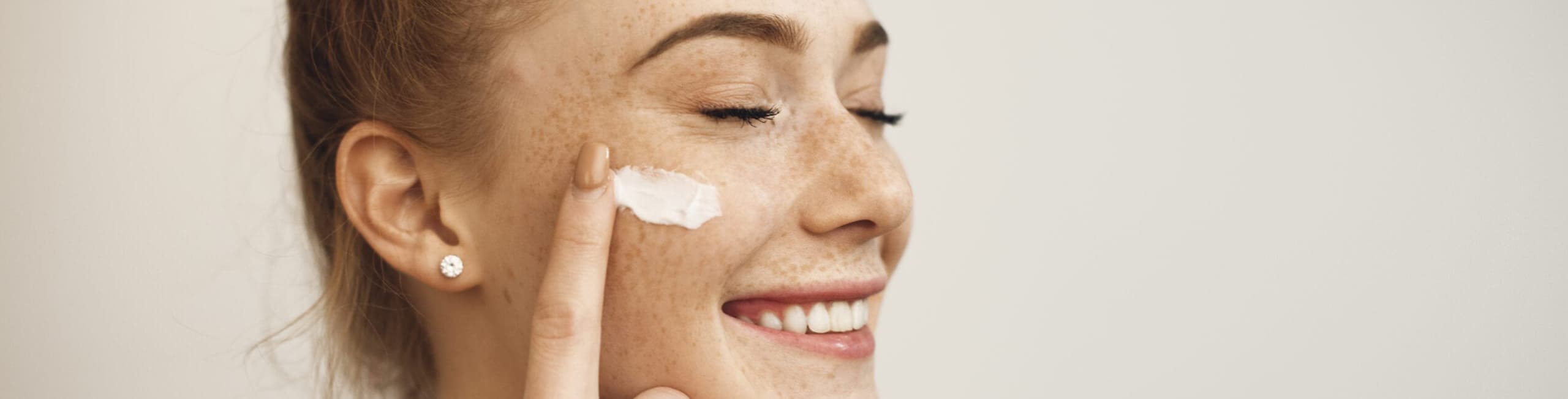
When using topical Ivermectin for rosacea, start with clean hands and a clean face.
Apply a pea-sized amount of the medication to each of the affected rosacea areas: forehead, cheeks, chin, and nose.
Do not only apply topical ivermectin to the blemishes from rosacea, but spread in a thin layer over the entire portion of the face.
Avoid the eyes and mouth when applying, and wash hands afterward.
Apply topical Ivermectin for rosacea as often as your healthcare provider has prescribed, normally once daily. When using topical Ivermectin for lice, start by washing your hands.
Then, apply 1 full tube of the medication to your scalp and hair, starting by applying the tube contents thoroughly to the entire scalp, and then working it down the strands.
Make sure your hair and scalp are completely covered and then leave the medication on for 10 minutes.
After 10 minutes, rinse your hair with warm water and dry.
Then, comb through all of the hair with a flea comb to remove all nits and nit shells.
Talk to your healthcare provider if you still see lice after 7 days.
For lice, topical Ivermectin is normally a one day treatment. Do not repeat the treatment without talking with your healthcare provider first.
Where to find topical Ivermectin?
Topical Ivermectin is a prescription-only medication, so you will need to consult with a healthcare provider in person or online before you are able to get the medication.
Schedule an appointment with your healthcare provider in person, or, if you are looking to treat your rosacea with Ivermectin, you can have a free online questionnaire-based consultation with our Strut Health U.S. licensed providers today.
Just submit a questionnaire and some images of your rosacea so that we can better understand your condition, this shouldn’t take longer than 10-15 minutes.
Our compounded Ivermectin formula may help with papules and pustules from rosacea*, and we can also see if combining Ivermectin with other rosacea medications like metronidazole, azelaic acid, or oxymetazoline, is a good fit for your specific symptoms.
If you are a good candidate for a rosacea treatment formula containing Ivermectin, your prescription Ivermectin topical rosacea formula can be shipped to your front door with our free shipping.
*Compounded drug products are not approved or evaluated for safety, effectiveness, or quality by the FDA. Rx required.
Strut Rosacea FormulaCompounded
Customized formulas may contain a combination of the following active ingredients: Azelaic Acid, Oxymetazoline, Metronidazole, Ivermectin.
This article is for informational purposes only and does not constitute medical advice. The information contained in this article is not a substitute for and should never be relied upon for professional medical advice. Always talk to your provider about the risks and benefits of any treatment.
All Categories
Recent posts
- Dr. Alan Bauman: Top Tips for the Best Success on Your Hair Growth Regimen (Video)
- What Are the Big 3 for Hair Loss?: The 3 Treatment Combo Explained
- What Is the Minoxidil Mechanism of Action for Hair Growth?
- Minoxidil Shedding: What To Expect | Hair Loss Treatment
- Is Minoxidil a DHT Blocker? How Minoxidil Increases Hair Growth
- U.S. Licensed Providers
- U.S. Pharmacy & Medicines
- Discreet & Free Shipping
- LegitScript Certified
Related posts

Topical Metronidazole for Rosacea: How It Can Help and How To Use It
Read post
How To Get Rid of a Pimple on Your Lip
Read post
Can You Buy Tretinoin Over The Counter?
Read post
Best Neck Cream for Turkey Neck: Sagging Skin Solutions and Severity Scale
Read post
6 Benefits of Using Hyaluronic Acid Under-Eyes
Read post